
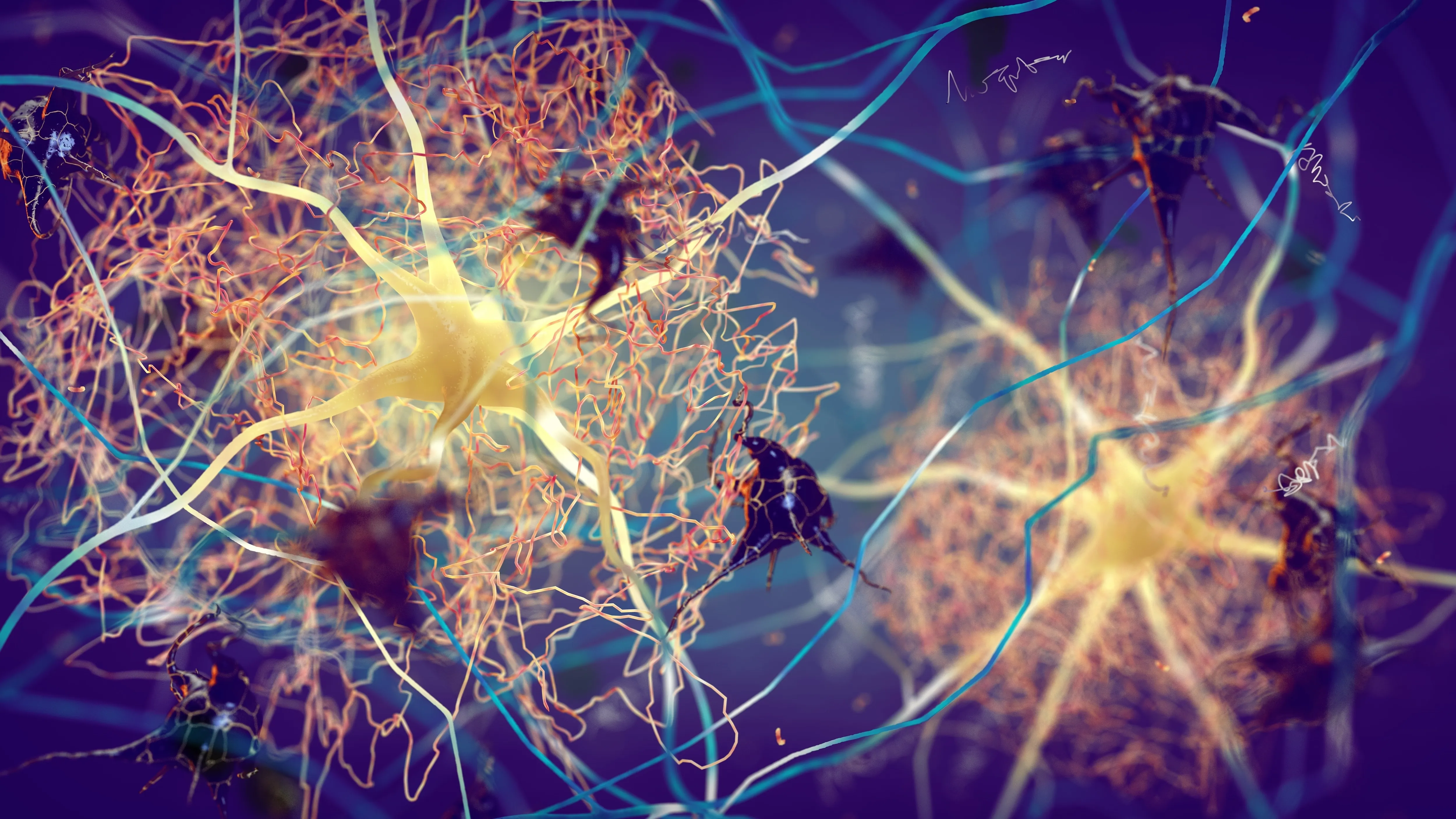
NIH Awards $12.5M for Alzheimer’s Researchers to Use AI to Scour Biobank Data
A multi-institutional project co-led by Heng Huang aims to improve diagnosis, treatment for Alzheimer’s.
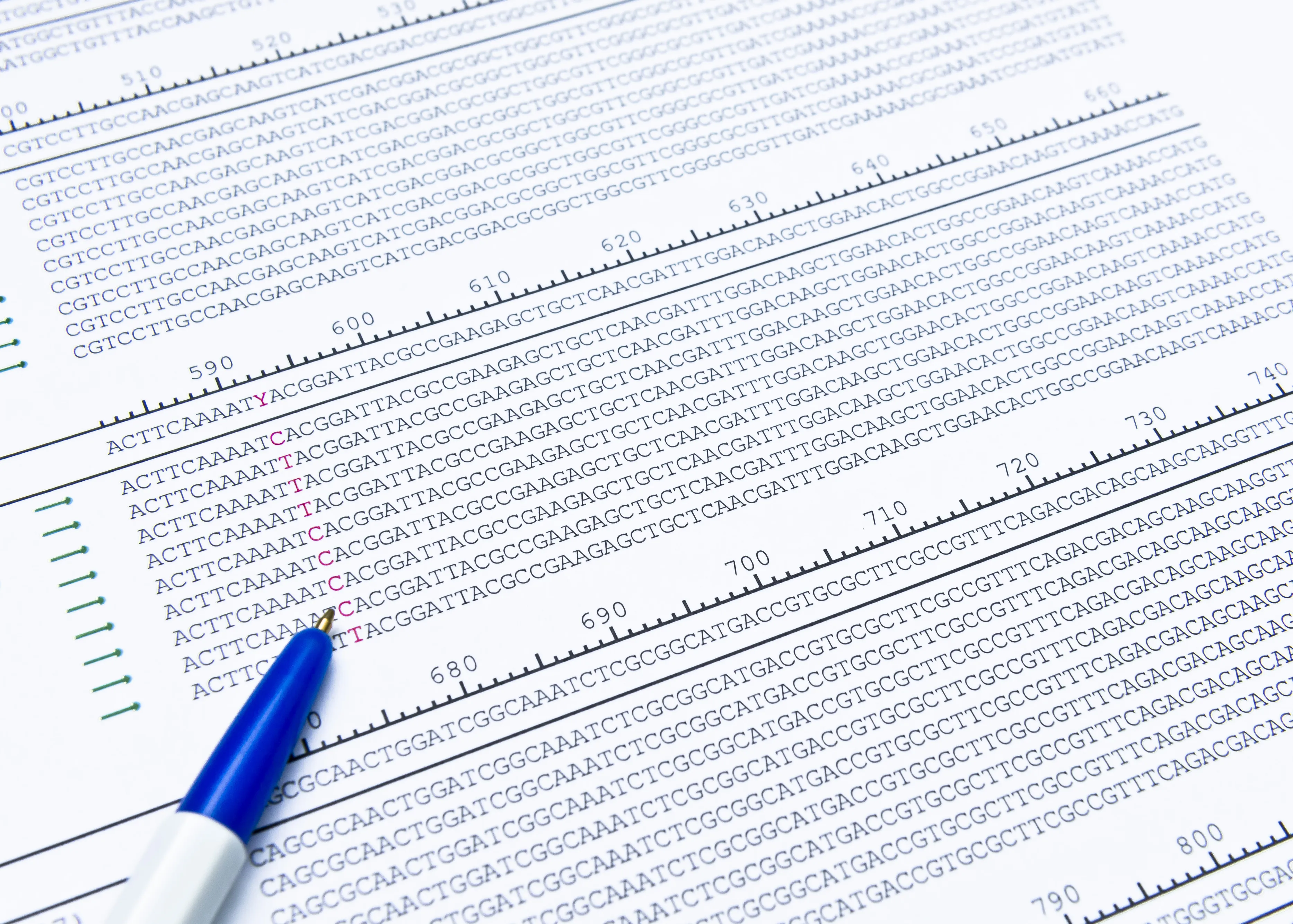
UMD Researchers Tackle Data Deluge in Metagenomics
An NIH-funded effort led by Mihai Pop is developing open-source tools and safeguards the integrity of bioinformatic analytics.
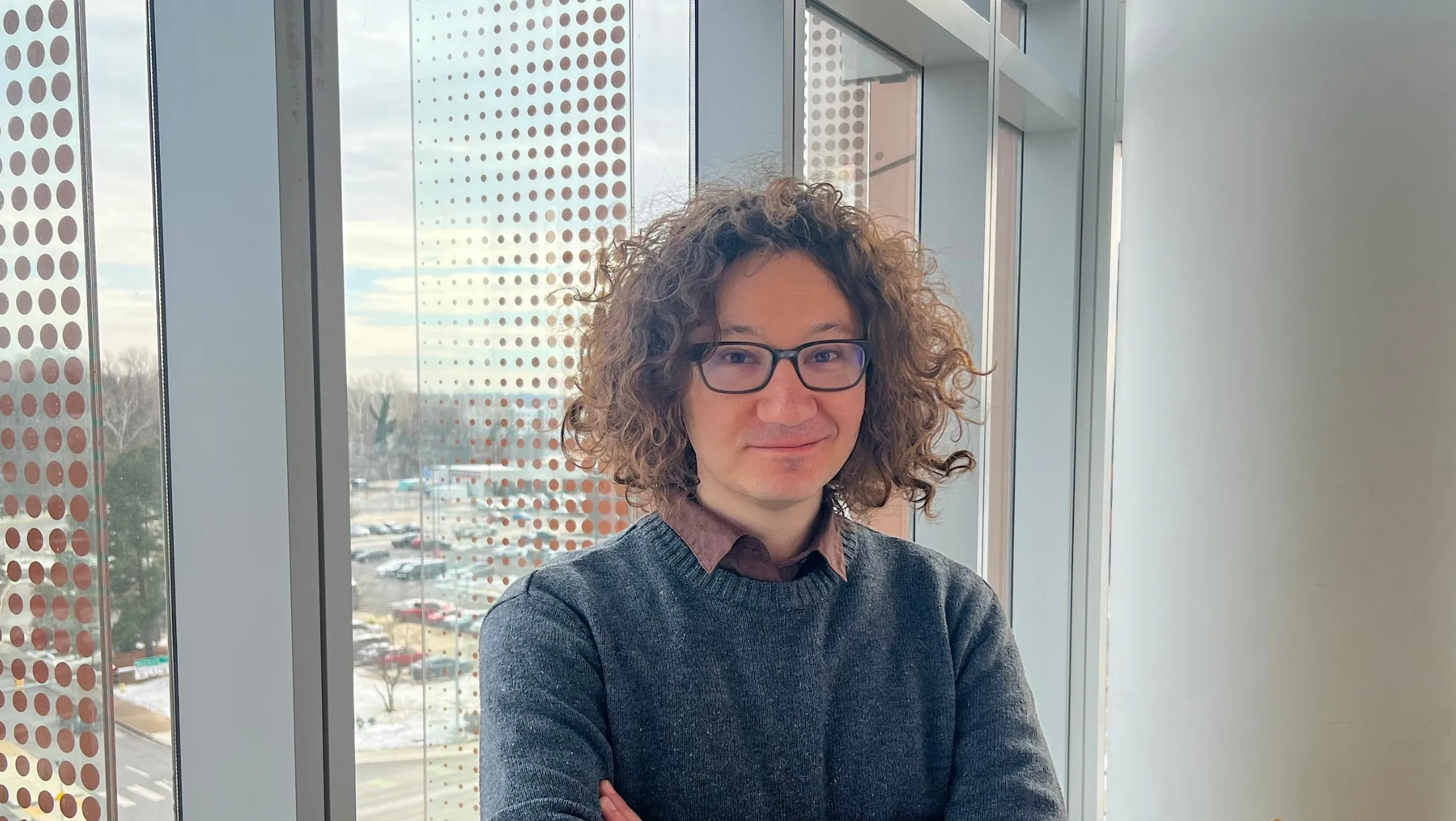
UMD Alum Returns as UMIACS Postdoc to Tackle Microbiome Complexity
Marcus Fedarko develops software to assemble and visualize metagenomic data, helping researchers untangle microbial genomes and reveal hidden patterns.
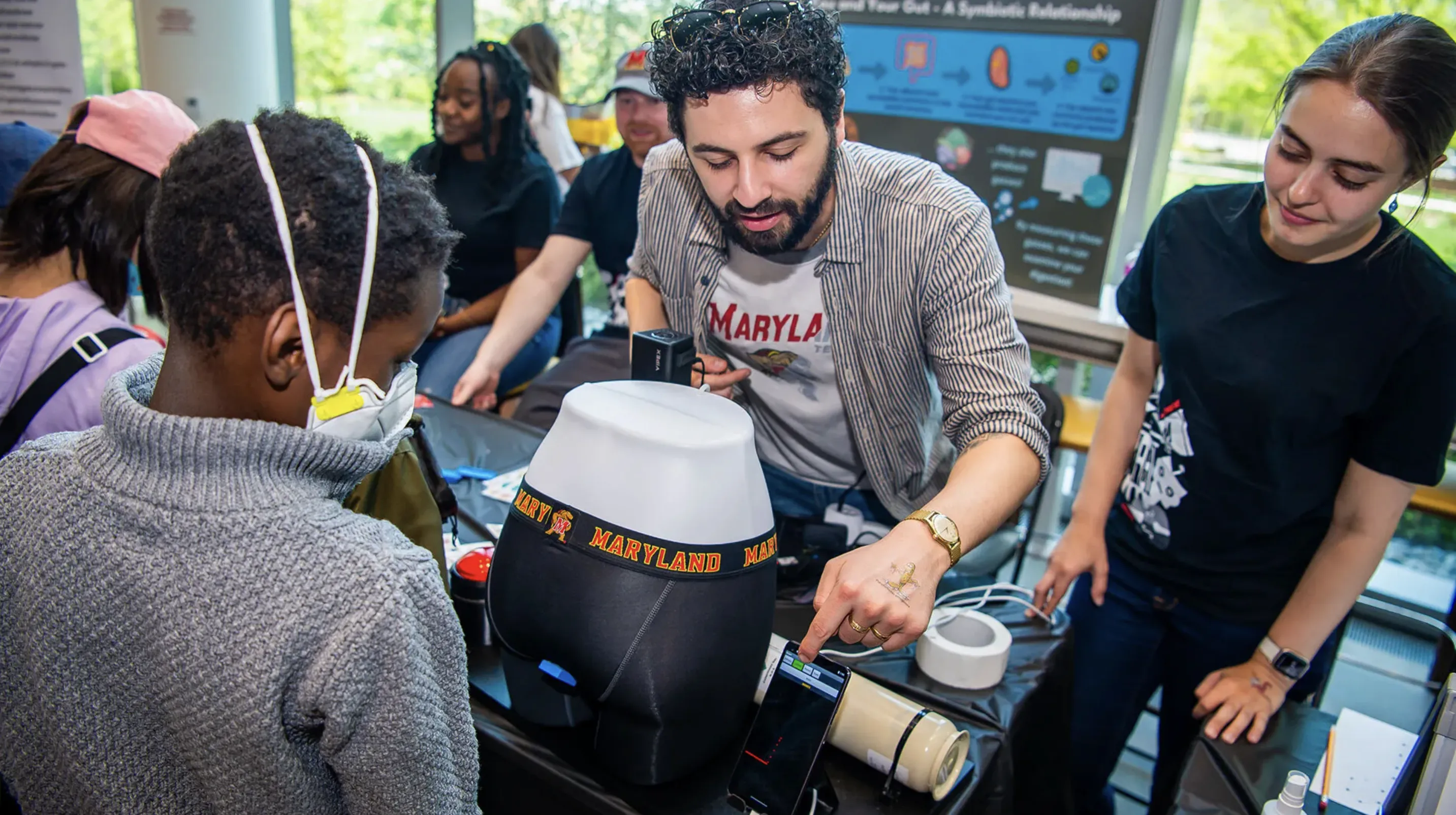
UMD Scientists Create ‘Smart Underwear’ to Measure Human Flatulence
A new nationwide study is recruiting volunteers to map the full spectrum of human flatulence.
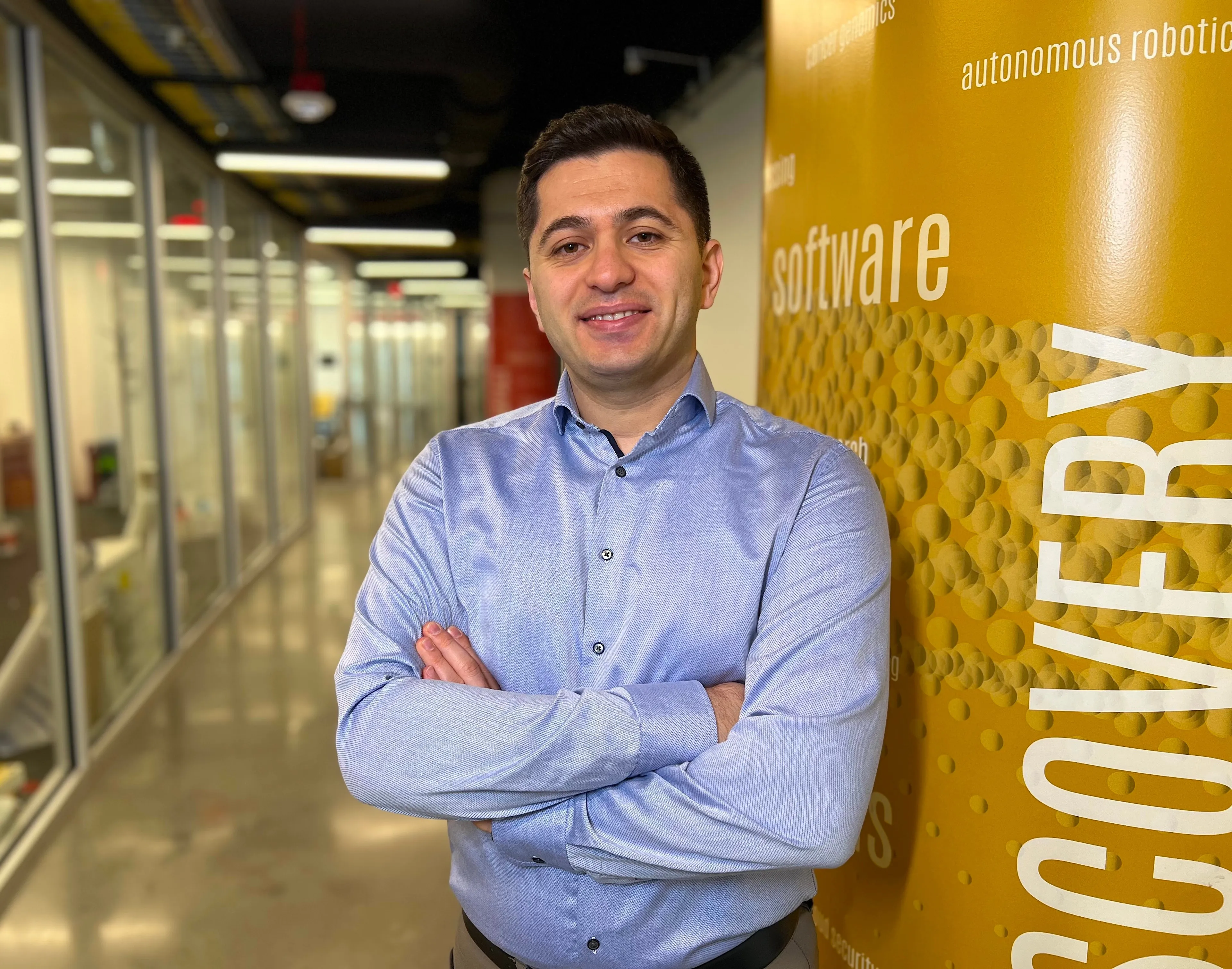
Computational Biology and Computer Architecture Expert Joins UMIACS
Can Firtina’s research focuses on actionable solutions to improve human health.
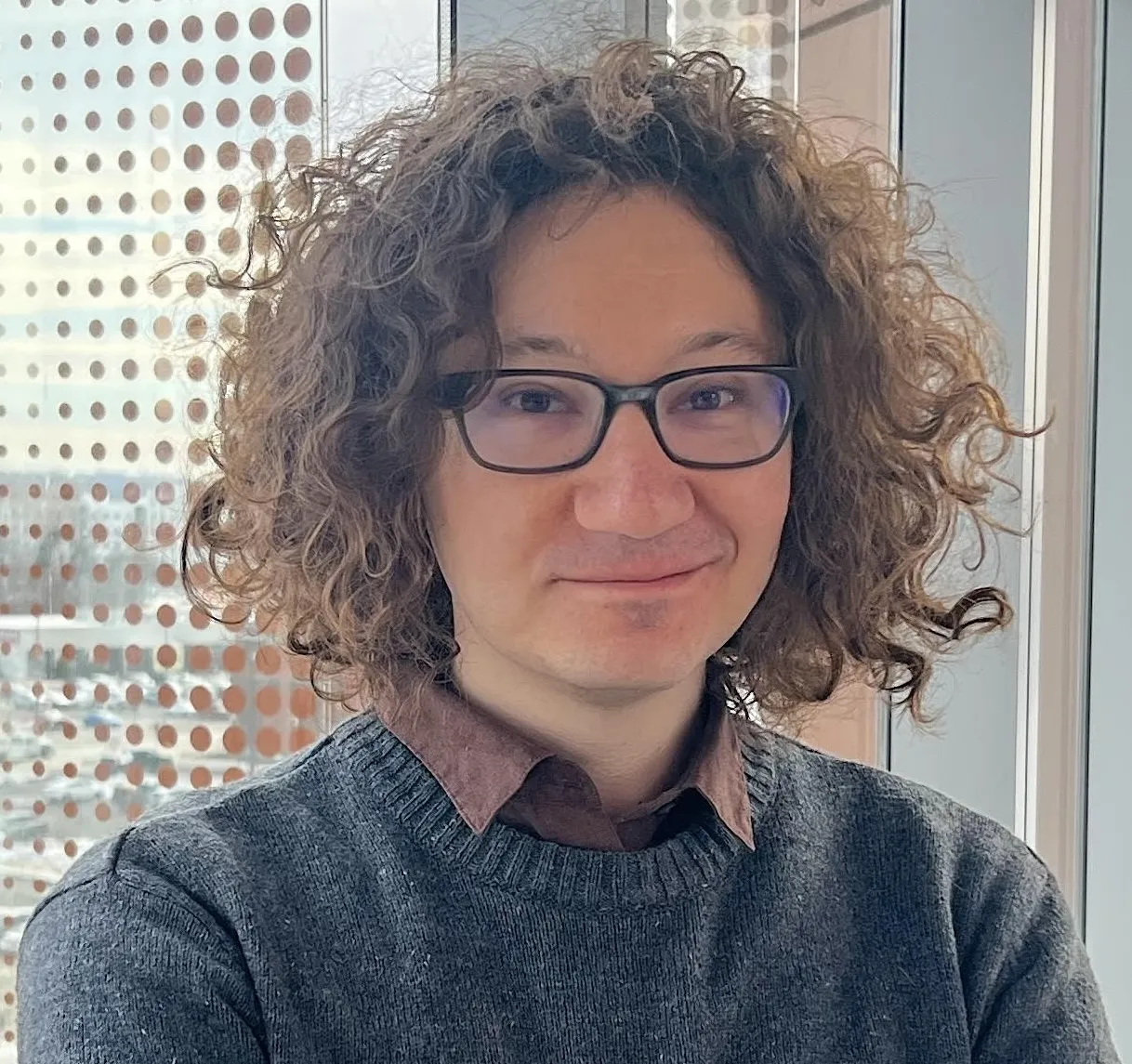
Marcus Fedarko
Colwell Travel Fellowship
The Rita Colwell Travel Fellowship is made possible by a generous donation from Distinguished University Professor Rita Colwell with the intention to help eligible students attend scientific meetings relevant to their field of study. The funds are available on a competitive basis (see application process below) and applications are reviewed through out the year. Successful applicants will be reimbursed retroactively.

Heng Huang Leading Cross-Institutional Effort to Advance AI-Powered Wildfire Forecasting
The NSF-funded project leverages AI and diverse environmental data to better predict and manage wildfires.


Tracking Climate-Linked Pathogens Through DNA Science
UMIACS Postdoc Kyle Brumfield is using DNA sequencing and other technologies to study how environmental factors like climate can impact waterborne pathogens.