The event drew participants from 10 higher education institutions, four federal institutions, two research institutes, and one professional organization.
Kyle Brumfield and Rita Colwell are developing a forecasting system that can predict the risk of coming into contact with Vibrio bacteria.
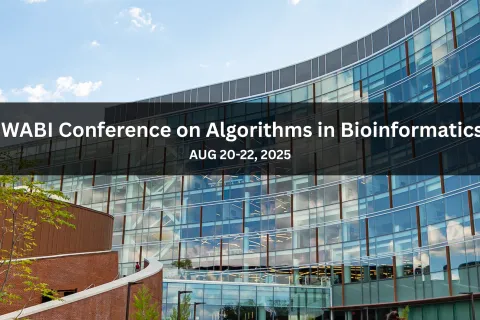
The event will focus on discrete algorithms and machine learning tools that can address important challenges in molecular biology.
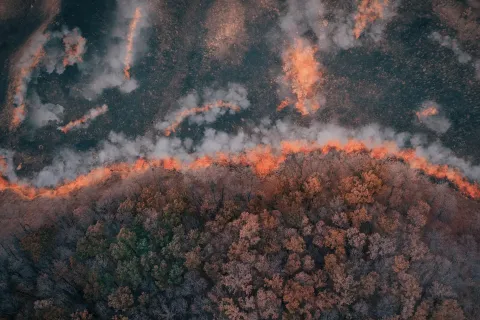
The NSF-funded project leverages AI and diverse environmental data to better predict and manage wildfires.
Can Firtina’s research focuses on actionable solutions to improve human health.
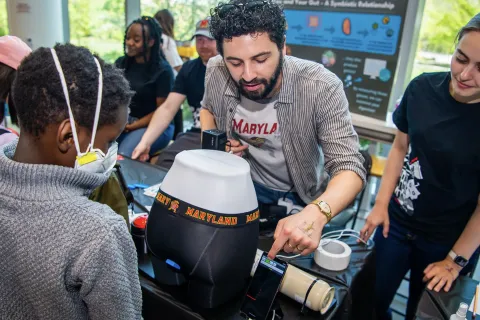
A new nationwide study is recruiting volunteers to map the full spectrum of human flatulence.